

Concrete block is made of concrete and has numerous advantages such as durability, speed of construction and easy maintenance. Concrete blocks are often used in the masonry of retaining walls, industrial buildings and various types of fencing.
One of the interesting aspects of concrete blocks is that they can be designed to fit together precisely thanks to an interlocking system. This construction method allows easy stacking of blocks without the use of cement or fixing materials. Thanks to this, fast and efficient construction can be achieved, which can be temporary or permanent.
Concrete block comes in a variety of shapes, sizes and finishes to meet diverse demands for design and functionality. Concrete blocks are also affordable, durable and long-term reliable, making them an ideal choice for many construction projects.
Concrete block and its basic characteristics
Composition and types of concrete
The concrete block is made of concrete of strength class C 30/37 XC4 and consists of loose materials such as aggregate, cement and water. This material enables the majority of concrete blocks, such as interlocking concrete blocks, aerated concrete or industrial MegaBeton blocks.
Features and benefits
Concrete block has several advantages which include:
- Flexibility: Easy stackability without the use of cement or fixing materials
- Endurance: High compressive strength and resistance to damage
- Speed of construction: Simple assembly and disassembly makes construction more efficient
- Stability: Great stability with suitable construction of supporting and dividing walls
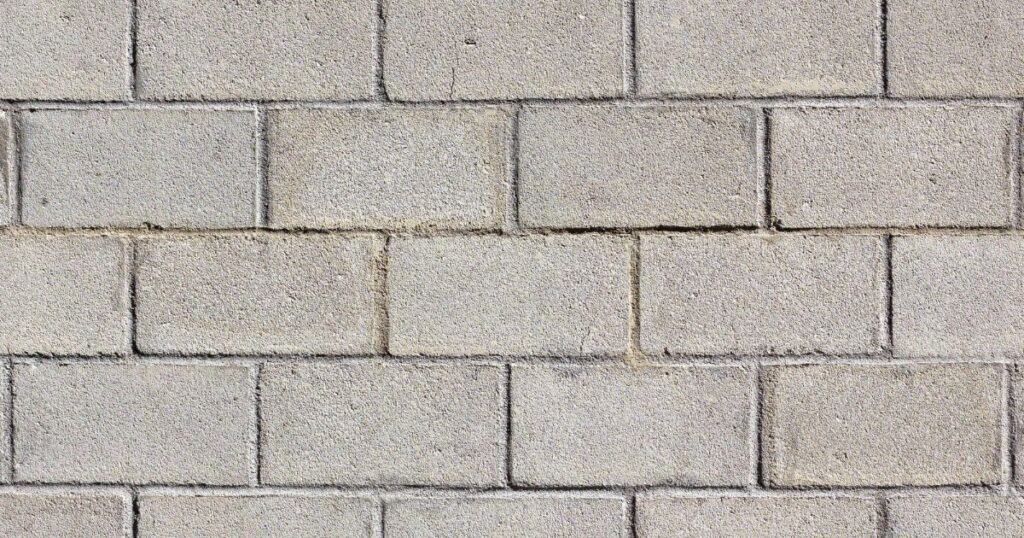
Dimensions and shapes
Concrete blocks are produced in various sizes and shapes, which allow for a wide range of applications in the construction industry. Basic dimensions include:
- Simple blocks: 40 x 20 x 20 cm
- Double blocks: 80 x 20 x 20 cm
- Bigger blocks: for industrial construction or retaining walls
Quality standards
The quality of concrete blocks is assessed according to several important parameters and standards that ensure:
- Strength: Achieving the specified strength of concrete and its resistance to pressure
- Durability: Protection against external influences such as temperature change or humidity
- Appearance: Smooth surface, uniform shape and no defects
Concrete block manufacturers must adhere to established quality rules for the final product in order to ensure safety and customer satisfaction.

Use of concrete blocks
Building construction
Concrete blocks are a popular building material due to their high resistance, versatility and ease of assembly. They enable fast and efficient construction on the principle building kit, which means that the individual blocks can be simply stacked together thanks to the lock system. This construction method is ideal for various types of construction such as garages, industrial buildings or retaining walls.
Industrial applications
Concrete blocks are widely used in industry. Thanks to their properties and the possibility of quick assembly and disassembly, they are suitable for the construction of various industrial buildings, such as warehouses, workshops or hall structures. The advantage of this system is the saving of time and costs during construction, as it is not necessary to use a permanent connection between the blocks and, if necessary, the building can be easily rebuilt or dismantled.
Retaining walls and fencing
Concrete block can also be effectively used in construction retaining walls and fence. Thanks to its resistance to weather effects and mechanical damage, they are an ideal solution for these purposes. The assembly of concrete blocks in the construction of retaining walls is quick and simple, which shortens construction time and reduces construction costs. Concrete block fencing provides sufficient stability and protection against unwanted influences such as noise, dust or unauthorized entry.
Installation and assembly
Preparation of documents
When installing concrete blocks, careful preparation of the substrate is important. In order to maintain the stability of the entire structure, it is necessary to ensure a reinforced, level and solid foundation. Due to the characteristics of concrete blocks, such as quick assembly and simple handling, it is not always necessary to concrete the foundations.
Assembly procedures
The assembly of concrete blocks is based on a system of locks that fit together precisely. This locking system ensures excellent strength and quick assembly of the structure. The assembly procedure includes:
- Choosing a suitable block: Choose a concrete block according to the needs of your project.
- Laying blocks: Place the blocks on the prepared base so that the locks of the blocks fit together.
- Block stacking: Then add more rows of blocks in the same procedure so that the locks fit together again.
This process is easily reversible if block modification or disassembly is required.
Safety
Safety precautions must be taken when assembling and handling concrete blocks. Workers should use appropriate protective equipment such as gloves, helmets, shoes and others. When working with heavy blocks, it is necessary to ensure that the assembly is carried out in the correct procedure and with regard to the maximum load-bearing capacity of the building structure.
By observing all safety measures and rules, you guarantee a successful, quick and safe assembly of the concrete block structure.

Long-term sustainability and maintenance
Durability and durability
Concrete block is a building material that is characterized by a long service life and high resistance. Thanks to the use of first-class materials, concrete blocks are extremely resistant to external influences such as moisture, temperature or mechanical stress. The innovative locking system ensures excellent strength and load-bearing capacity of the concrete blocks.
Maintenance and repairs
Maintenance of concrete blocks is simple and mainly consists of regular cleaning and checking the condition of the surface. If necessary, repairs can be made, for example if there is abrasion or damage. Concrete blocks have a low weight, which simplifies their handling during maintenance and repairs.
Recycling and ecology
Concrete blocks are environmentally friendly and can be recycled. At the end of the building's useful life, the concrete blocks can be dismantled, ground and used as material for new building projects or as raw material for the production of new building components. This reduces the need for new raw materials and at the same time saves the environment. Concrete blocks are made from mostly natural materials, which supports their sustainability and environmental friendliness.
To demonstrate the significant properties of concrete blocks, we summarize several key points:
- Service life: Long life and durability of the material
- Carrying capacity: Excellent strength and load-bearing capacity thanks to the innovative locking system
- Weight: Low weight for easy handling during maintenance and repairs
- Quality: The use of first-class materials ensures the high quality of the blocks
FAQs
What is the average price per square meter of concrete blocks?
The price of concrete blocks may vary depending on the type, strength class and dimensions. The average price per square meter of concrete blocks is around 750 CZK without VAT. It is always best to find out the exact price directly from the suppliers.
What are the advantages of using precast concrete blocks?
Precast concrete blocks offer speed and ease of use, as they do not require additional binders or fixing materials. In addition, they can be adapted for both temporary and permanent construction, which increases their flexibility and possibilities of use.
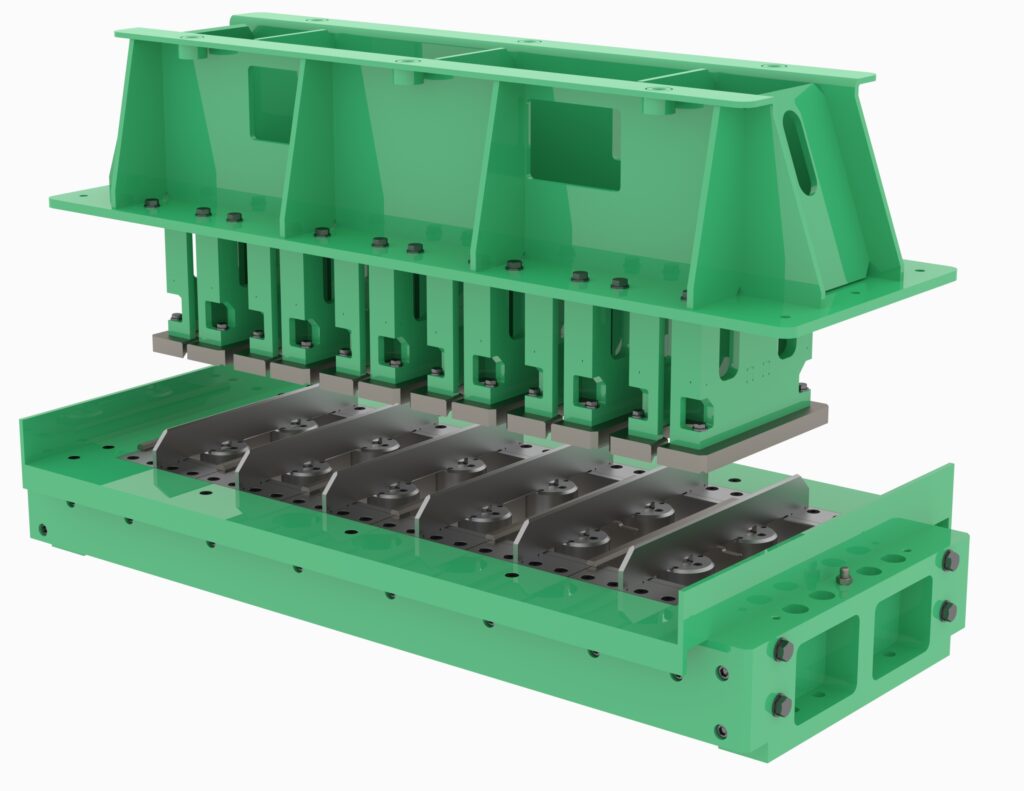
What are the steps in making your own concrete blocks using a mold?
The production of concrete blocks using a mold involves the following steps:
Preparation and mixing of concrete mixture.
Filling the mold with concrete.
Sealing and smoothing the surface of the concrete in the form.
Allowing the concrete to dry and gain strength.
Removing the dry block from the mold and using it in the project.
What kind of finish is recommended for concrete blocks for a fence?
For concrete blocks used for fences, a surface treatment is usually recommended to improve their appearance and protect them from the elements. This is, for example, a paint, plaster or application layer that protects the surface and gives it an aesthetic appearance. Always consult with experts to select the appropriate treatment for a specific project and type of concrete block.